Grants vs. Loans: What’s the Best Option for You?
September 15, 2025 2025-09-15 13:37Grants vs. Loans: What’s the Best Option for You?
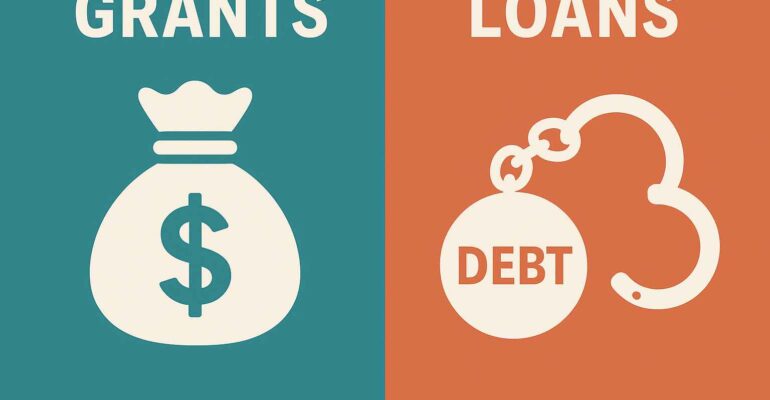
Grants vs. Loans: What’s the Best Option for You?
Paying for higher education can feel overwhelming, but fortunately, students have different funding options available. Two of the most common are grants and loans. While both can help you cover tuition and other expenses, they work very differently — and understanding those differences can help you make the best financial decision for your future.
1. What Are Grants?
Grants are funds given to students, usually based on financial need, that do not need to be repaid. They are essentially a form of gift aid.
-
Sources: Federals, colleges, and private organizations.
-
Eligibility: Often determined by financial need, academic performance, or special circumstances.
Key Advantage: Grants reduce the overall cost of education without creating debt.
2. What Are Loans?
Loans are borrowed money that must be repaid with interest over time. They can be federal or private.
-
Federal Loans: Lower interest rates, flexible repayment plans, and possible loan forgiveness options.
-
Private Loans: Offered by banks or credit unions, often with higher or variable interest rates.
Key Drawback: Loans can create long-term debt if not managed carefully.
3. Grants vs. Loans: Key Differences
| Feature | Grants | Loans |
|---|---|---|
| Repayment | No | Yes, with interest |
| Based on Need | Often | Not always |
| Long-Term Impact | Reduces cost | Creates debt |
| Availability | Limited, competitive | Widely available |
4. Which Is Best for You?
-
Choose Grants If:
You qualify for financial aid and want to minimize debt. Always apply for grants and scholarships first. -
Choose Loans If:
You still need extra funds after grants and savings. Loans should be borrowed carefully, only for what you truly need.
Final Thoughts
The best strategy is to use grants first since they don’t need to be repaid. If additional funds are necessary, consider loans as a secondary option — but borrow wisely and understand the repayment terms.
Grants lighten your financial burden, while loans can be a helpful tool if managed responsibly. A balanced approach ensures you can achieve your educational goals without overwhelming debt.