Avrupa merkezli casino siteleri yeni altyapısı, Türk oyuncular için düşük ping bağlantısı sunar.
Turning Learning Goals into Measurable Career Progress
January 13, 2026 2026-01-13 4:57Turning Learning Goals into Measurable Career Progress
Turning Learning Goals into Measurable Career Progress
Intentional learning is the engine behind steady career growth.
Many professionals struggle to move from vague goals to visible outcomes.
This article outlines a practical framework for converting learning into measurable progress.
Use these steps to build momentum, demonstrate value, and guide your next moves.
Identify Transferable Skills
Start by mapping your current strengths to the roles or responsibilities you aim to achieve. Analyze job descriptions, talk with mentors, and list skills that bridge your present work to future opportunities. Prioritize skills that are both in demand and align with your core interests to sustain motivation. This focused inventory gives you a clear development target rather than a long, unfocused to-do list.
Keep the list dynamic and revisit it every few months as you gain experience. Short updates prevent wasted effort and help you stay aligned with market shifts and internal company needs.
Create a Learning Roadmap
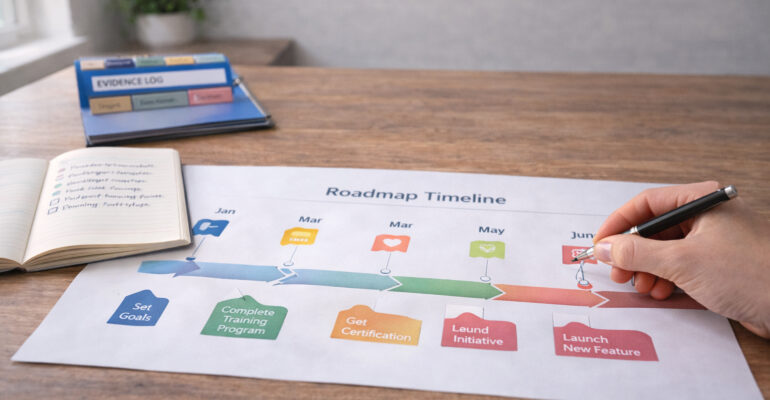
Translate each high-priority skill into achievable milestones with specific timeframes. Break down complex competencies into micro-skills that can be learned and demonstrated quickly. Combine formal learning with small, practical projects to solidify knowledge and show results. Set measurable indicators for each milestone, such as completing a project, publishing a summary, or receiving feedback from a supervisor.
- Micro-courses or short certifications
- Small projects that showcase applied skills
- Regular mentor reviews and peer feedback
A roadmap that mixes study, practice, and assessment creates continuous, demonstrable progress. Aim for a balance between learning speed and depth to maintain credibility and confidence.
Embed Practice and Feedback
Deliberate practice beats passive consumption when building capability. Seek opportunities to apply new skills in real work contexts, volunteer tasks, or side projects that deliver tangible outcomes. Regular feedback accelerates improvement by highlighting blind spots and reinforcing what works. Use structured reflections after each application to capture lessons and refine your approach.
Creating a feedback loop turns isolated learning into measurable growth. Over time, those documented improvements become evidence of your increasing impact.
Track Impact and Iterate
Measure the effect of new skills on performance by recording outcomes like efficiency gains, revenue impact, or positive stakeholder feedback. Keep a concise evidence log with dates, actions, and results to support conversations about promotions or role changes. Review your progress quarterly and adjust your roadmap based on what produced the most value. Small, frequent course corrections keep your plan realistic and outcome-focused.
Consistent tracking makes successes reproducible and visible to decision-makers. When you can point to concrete results, career conversations shift from promises to demonstrated contribution.
Conclusion
Make learning goals specific, actionable, and tied to demonstrable results.
Build a roadmap that balances study with applied practice and feedback.
Track outcomes consistently so your career progress becomes visible and sustained.