Designing a Sustainable Budget for Learning Goals
March 2, 2026 2026-02-25 9:57Designing a Sustainable Budget for Learning Goals
Designing a Sustainable Budget for Learning Goals
Investing in skills and education is an ongoing commitment that benefits careers and personal growth, but it requires careful financial planning. A sustainable learning budget helps you pursue opportunities without creating undue strain on other priorities. This article explains practical steps to assess needs, build flexibility into your plan, and track spending so resources are used efficiently. The guidance is designed to be adaptable across different learning paths and time horizons.
Assessing Learning Needs
Begin by mapping your short- and long-term learning goals and the competencies required to reach them. Identify which courses, certifications, books, or tools are essential versus optional, and estimate their costs realistically. Factor in indirect expenses such as technology upgrades, exam fees, and time away from work if applicable. Prioritization reduces wasted spending and clarifies where investment will have the greatest impact.
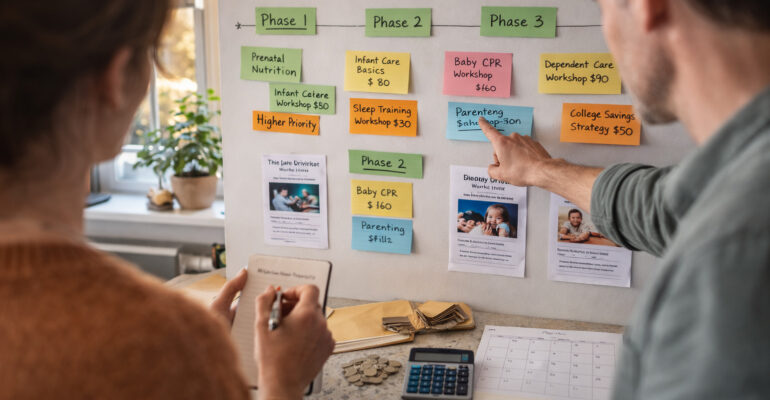
Once needs are listed, assign a timeline and a tentative budget to each item to create a phased approach. This prevents attempts to fund everything at once and keeps progress steady. Revisiting this assessment periodically ensures the plan stays aligned with changing objectives and opportunities.
Creating a Flexible Budget
A flexible budget balances fixed commitments with discretionary learning that can expand or contract as finances allow. Allocate a percentage of monthly income or a set quarterly amount specifically for education, and keep a separate worksheet or account to track it. Look for blended options such as self-study paired with occasional paid workshops to stretch funds further. Build a small contingency buffer to cover unexpected opportunities or price increases.
- Set a monthly or quarterly learning allowance tied to income or savings goals.
- Use free or low-cost resources to fill gaps between formal courses.
- Explore sliding-scale options, payment plans, and early-bird discounts.
These tactics help maintain momentum without overspending and make it easier to seize timely learning opportunities. Documenting assumptions also simplifies adjustments when priorities shift.
Tracking and Adjusting Spend
Regularly reviewing actual expenditures against your planned budget reveals patterns and opportunities for optimization. Track both monetary costs and time invested, since imbalance in either can undermine learning outcomes. Use simple spreadsheets, budgeting apps, or dedicated learning trackers to record purchases, subscriptions, and progress. Periodic reviews—quarterly or biannually—allow you to reallocate funds toward high-impact activities.
Adjust the budget based on results: increase investment in approaches that deliver clear value, and reduce or replace those that don’t. Maintaining flexibility and clear metrics turns budgeting from a constraint into a tool for smarter learning.
Conclusion
Designing a sustainable budget for learning goals starts with clear priorities and realistic cost estimates. By building flexibility, tracking outcomes, and revisiting plans regularly, you can invest in development without sacrificing financial stability. A disciplined but adaptable approach keeps learning practical, affordable, and aligned with long-term objectives.