Balancing Costs and Learning: A Practical Education Budget Plan
May 7, 2026 2026-04-29 14:01Balancing Costs and Learning: A Practical Education Budget Plan
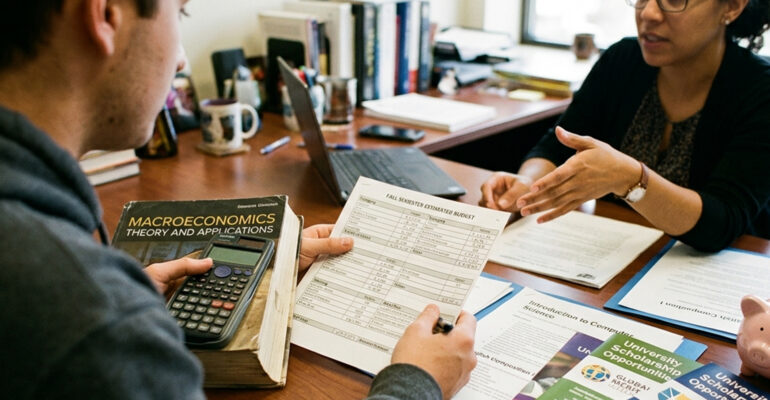
Balancing Costs and Learning: A Practical Education Budget Plan
Education is an investment that requires clear planning and realistic expectations. Understanding direct fees, living costs, and incidental expenses helps avoid surprises. Early assessment and ongoing adjustments create room for smarter choices over time. This article outlines practical steps to evaluate costs and align funding with learning goals.
Assessing Total Education Costs
Start by listing all categories of expense: tuition, fees, books, housing, transportation, and technology. Include less obvious items such as supplies, exam fees, and potential income loss if studying full time. Use historical bills and published cost estimates to create a baseline budget for each term or year. Review and update this budget periodically as prices or personal circumstances change.
- Track one semester closely to capture unexpected recurring costs.
- Compare on-campus and off-campus housing costs for true savings.
Regularly revisiting the assessment helps you prioritize which costs are flexible and which are fixed. That clarity makes funding decisions and cost-cutting measures more effective.
Exploring Funding and Financial Aid Options
A diverse mix of funding reduces reliance on any single source and lowers overall risk. Start with grants and scholarships that do not require repayment, then assess work-study, part-time work, and family contributions. Loans can bridge gaps but should be used strategically with a clear repayment plan. Also consider employer tuition assistance and community programs that support continuing education.
- Search institution databases and external scholarship platforms monthly.
- Ask financial aid offices about less-publicized grant opportunities.
- Compare loan terms carefully, focusing on interest rates and repayment flexibility.
Combining several small awards often beats a single large loan in terms of long-term cost. Transparent planning prevents unnecessary borrowing and keeps options open after graduation.
Practical Cost-Saving Strategies
Adopt targeted habits that reduce expenses while preserving educational quality. Use open educational resources and secondhand books, enroll in transferable introductory courses at community providers, and negotiate payment plans when possible. Consider living with roommates, commuting options, or part-time remote study to reduce housing and transportation costs. Small monthly savings on everyday items compound into meaningful relief over an academic year.
- Use tax-advantaged education accounts if available to save on taxes.
- Set up an automatic savings plan dedicated to tuition and fees.
- Review subscription services and reduce nonessential spending during study periods.
These incremental strategies support a sustainable learning budget without sacrificing outcomes. They also build financial habits that benefit long-term career and personal finances.
Conclusion
Effective management of education expenses begins with a thorough cost assessment and a diversified funding plan. Practical daily choices and strategic use of aid reduce the need for high-cost borrowing. Ongoing review and adjustments keep your education aligned with both goals and budget.