From Curiosity to Competence: Planning Your Learning Journey
July 2, 2026 2026-06-24 10:06From Curiosity to Competence: Planning Your Learning Journey
From Curiosity to Competence: Planning Your Learning Journey
Introduction
Every meaningful skill begins with a plan.
Turning curiosity into competence requires structure, focus, and regular reflection.
This article lays out practical steps to design a learning journey that remains adaptable and measurable.
Use these guidelines to set goals, choose methods, and monitor progress without losing momentum.
Define Clear Outcomes
Start by articulating what competence looks like for the skill you want to learn. Describe observable outcomes such as tasks you can complete or problems you can solve, and include performance criteria where possible. Clear outcomes help prioritize study time and make assessment straightforward. Avoid vague goals and aim for specific, actionable descriptions that guide daily work.
Translating interests into concrete outcomes gives your effort direction. When outcomes are explicit, it becomes easier to select exercises and evaluate improvement.
Break Goals into Milestones
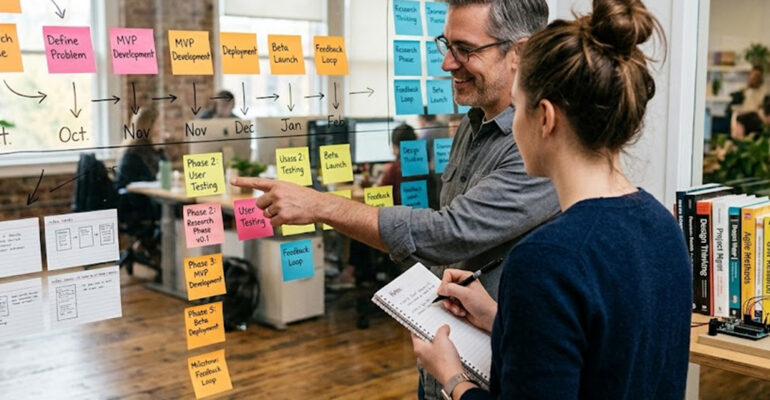
Chunk larger outcomes into sequential milestones that build toward the final capability. Each milestone should require a focused set of practices and produce a demonstrable result, such as a completed project, a timed task, or a peer-reviewed deliverable. Timebox milestones to maintain momentum and prevent scope creep. Smaller wins create feedback loops that sustain motivation and clarify what to tackle next.
Milestones make progress visible and manageable. They also allow you to adjust expectations and pacing based on real experience.
Curate Resources and Methods
Choose resources that align with each milestone and balance passive exposure with active practice. Combine short tutorials, targeted exercises, project-based work, and spaced review to reinforce learning. Incorporate varied formats like written guides, video demonstrations, and hands-on tasks to suit different stages of skill acquisition. Prioritize sources that encourage retrieval, reflection, and real-world application rather than purely passive consumption.
- Reference materials for concepts
- Practice sets and projects for application
- Peer feedback or coaching for refinement
Curating intentionally reduces wasted effort and increases the likelihood of steady progress. Regularly reassess resources as you advance.
Track Progress and Iterate
Establish simple metrics and checkpoints to measure advancement, such as completion rates, performance scores, or qualitative reviews. Keep a brief practice log and schedule periodic reflections to identify what’s working and where adjustments are needed. Seek feedback from peers or mentors to expose blind spots and accelerate improvement. Treat your plan as a living document that evolves with new insights and changing priorities.
Consistent tracking transforms subjective impressions into objective data. Iteration based on that data ensures your learning remains efficient and aligned with your goals.
Conclusion
Designing a learning journey means defining outcomes, breaking them into milestones, choosing methods, and measuring progress.
With clear steps and regular reflection you can turn curiosity into sustained competence.
Start small, iterate often, and let measurable milestones guide your development.