Designing Short Practice Blocks That Build Real Skills
September 27, 2026 2026-09-25 14:48Designing Short Practice Blocks That Build Real Skills

Designing Short Practice Blocks That Build Real Skills
Good skills grow from focused, repeatable practice rather than marathon sessions or vague intentions.
Short, well-planned blocks—twenty to thirty minutes—let you concentrate on a single micro-skill with real intention.
When each block targets a clear outcome and includes a quick review, improvement becomes visible and manageable.
This article explains how to design those blocks, what to include, and how to adjust them so practice stays productive.
Why short blocks outperform long, unfocused practice
Short practice blocks reduce mental fatigue and force you to prioritize the most important element of a skill each time you sit down to work.
With limited time you naturally focus on one technique, problem type, or component of a larger task rather than spreading attention thinly.
Spacing short sessions across days also increases retention because you encounter the material repeatedly with fresh concentration.
Finally, shorter sessions are easier to commit to, which means consistency improves faster than intensity alone.
Begin by choosing a single, observable target for each block so you can tell whether that session moved the needle.
Clear targets make it simpler to compare sessions and avoid the trap of busy work that feels productive but isn’t.
How to structure a 20–30 minute block
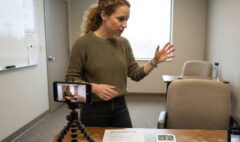
Start with a 2–5 minute warm-up that activates relevant skills—review a previous note, run through a short drill, or set up equipment.
Spend the next 15–20 minutes on focused practice: isolate one micro-skill, use deliberate repetition, and push slightly beyond your comfort zone.
Reserve 3–5 minutes for immediate feedback—check a recording, compare to a model, or run a quick self-assessment checklist.
End with a one-minute note of what worked and what to try next; that simple reflection seeds the next session.
Use a timer to keep the block honest and predictable; the constraint helps you accelerate decision making and stay on task.
If you have access to a coach or peer, incorporate a brief targeted check-in for faster correction.
Measuring progress and adapting your blocks
Track a small set of metrics that reflect the micro-skill: speed, accuracy, number of repetitions, or a short qualitative rating.
Log these after each block and look for trends across a week rather than obsessing over single sessions.
When improvement stalls, change one variable—difficulty, repetition pattern, or feedback type—so you can test what helps most.
Over weeks, gradually widen the scope of each block to integrate micro-skills into longer, more complex tasks.
Adapting in small steps keeps motivation steady and reveals which adjustments produce real gains rather than wasted effort.
The point is sustainable progress, not dramatic overnight change.
Conclusion
Short, intentional practice blocks make skill development manageable and measurable.
Design each block with a tiny, clear target, a focused effort, and a quick feedback loop.
Repeated consistently, those blocks add up to meaningful competence over time.