Building Emotional Intelligence: Social-Emotional Learning Programs
October 7, 2025 2025-10-07 13:45Building Emotional Intelligence: Social-Emotional Learning Programs
Building Emotional Intelligence: Social-Emotional Learning Programs
In today’s fast-changing world, academic skills alone aren’t enough for success. Emotional intelligence—understanding and managing emotions in ourselves and others—has become a crucial life skill. Social-Emotional Learning (SEL) programs aim to nurture this ability from an early age. By building empathy, self-awareness, and resilience, SEL helps individuals thrive both personally and professionally.
What Is Social-Emotional Learning (SEL)?
SEL is an educational framework that focuses on developing emotional and interpersonal skills. It teaches students to recognize emotions, build positive relationships, make responsible decisions, and handle challenges constructively. Schools and organizations are increasingly adopting SEL to create supportive learning and working environments.
The Core Components of SEL
-
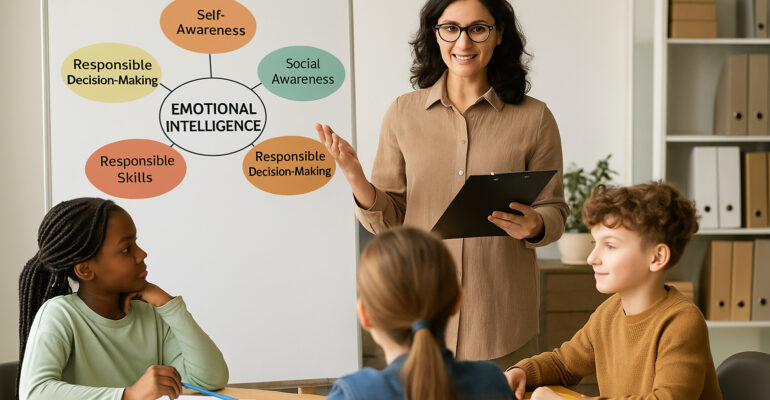
Self-Awareness – Recognizing one’s emotions, strengths, and limitations.
-
Self-Management – Regulating emotions and behaviors in different situations.
-
Social Awareness – Showing empathy and understanding others’ perspectives.
-
Relationship Skills – Communicating clearly, cooperating, and resolving conflicts.
-
Responsible Decision-Making – Making thoughtful, ethical choices.
These competencies lay the foundation for emotional intelligence, helping individuals navigate both personal and professional challenges effectively.
Why Emotional Intelligence Matters
Research shows that emotionally intelligent people perform better in school and at work. They’re more resilient, collaborative, and adaptable—qualities employers increasingly value. SEL programs help reduce stress, improve academic performance, and foster healthier relationships. Beyond the classroom, these skills contribute to better mental health and stronger communities.
Implementing SEL in Schools and Workplaces
-
In Education: Integrating SEL into daily lessons encourages empathy, teamwork, and self-discipline among students. Teachers trained in SEL foster more positive classroom climates.
-
In Workplaces: Organizations use SEL principles for leadership training, team-building, and employee wellness. Emotional intelligence is now seen as a core component of professional success.
Overcoming Challenges
Some institutions struggle with limited time, resources, or training for SEL. However, even small steps—like reflective journaling, mindfulness breaks, or peer discussions—can make a meaningful impact. Long-term benefits far outweigh initial challenges.
Conclusion
Social-Emotional Learning is shaping the next generation of emotionally intelligent, empathetic individuals. By developing self-awareness and social understanding, SEL empowers people to lead with confidence and compassion. In education and beyond, emotional intelligence is not just a soft skill—it’s a lifelong advantage.