Comparing Private vs. Public School Tuition: What to Expect
November 11, 2025 2025-11-11 13:51Comparing Private vs. Public School Tuition: What to Expect
Comparing Private vs. Public School Tuition: What to Expect
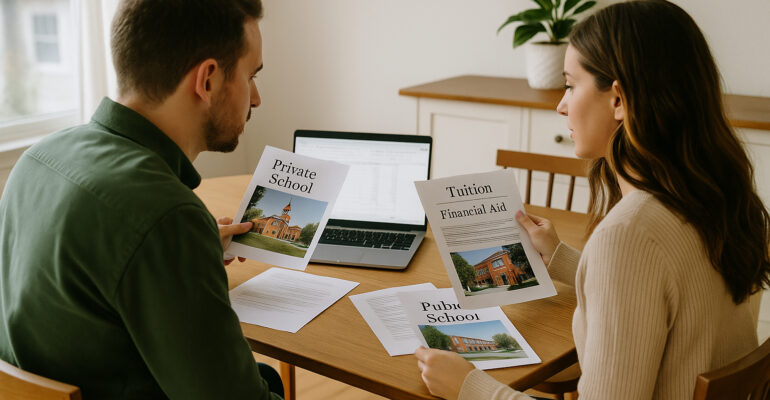
Choosing between private and public education is one of the most significant decisions parents make—both academically and financially. While both options offer unique advantages, the gap in tuition and related expenses can be substantial. Understanding what drives these costs and how they align with your child’s needs can help you make a well-informed, confident choice.
Understanding Tuition Differences
The most visible distinction between private and public schools lies in tuition. Public schools are funded primarily by local and state governments, meaning tuition is typically free for residents within a district. Private schools, on the other hand, rely on tuition, endowments, and donations to operate. Annual tuition at private institutions can range from a few thousand dollars to over $50,000 at elite academies. These fees often cover smaller class sizes, advanced facilities, extracurricular programs, and specialized curricula.
What You Get for the Cost
Private schools generally offer greater flexibility in curriculum design, allowing for religious education, International Baccalaureate (IB) programs, or specialized arts and science tracks. They may also boast lower student-to-teacher ratios, creating more personalized learning experiences. However, public schools have made significant strides in recent years, expanding honors programs, advanced placement courses, and partnerships with local colleges. Many public schools now rival private ones in quality, especially in well-funded districts.
Beyond Tuition: Hidden and Additional Costs
When comparing costs, it’s essential to consider more than just tuition. Private schools often have added fees for uniforms, field trips, technology, and extracurricular activities. Public schools, while tuition-free, may also come with costs for supplies, transportation, and special programs. Boarding schools introduce another layer of expense, covering room and board that can double total tuition costs.
Financial Aid and Scholarships
Private schools increasingly offer need-based financial aid and merit scholarships to make education accessible to more families. In contrast, public schools may provide free or reduced-cost meal programs, transportation, and special education services. Evaluating your eligibility for assistance and comparing the overall cost after financial support can significantly shift your decision.
Finding the Right Fit
Ultimately, the best choice isn’t just about cost—it’s about fit. Consider your child’s learning style, academic goals, and social needs. Public schools can provide strong community ties and diverse experiences, while private schools may offer a more tailored academic environment. Touring campuses, meeting teachers, and speaking with other parents can provide valuable insight into each school’s culture and quality.
Conclusion
The tuition gap between private and public schools is clear, but the right decision depends on more than just numbers. By weighing costs against educational quality, opportunities, and your family’s financial comfort, you can choose the path that best supports your child’s growth. Education is an investment—and understanding what you’re paying for helps ensure it’s one that truly pays off.