Cost-Conscious Planning for Lifelong Learning Expenses
June 6, 2026 2026-05-25 14:48Cost-Conscious Planning for Lifelong Learning Expenses
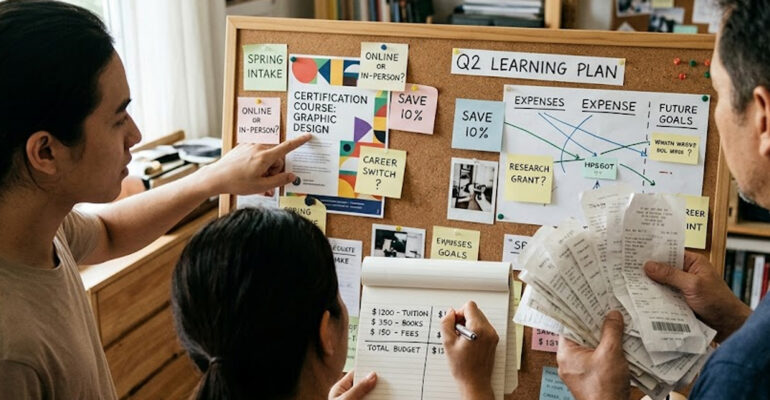
Cost-Conscious Planning for Lifelong Learning Expenses
Introduction
Managing education expenses requires deliberate planning and regular review.
Even modest adjustments to spending and resource use compound over time and protect future options.
This article outlines pragmatic steps to assess costs, reduce recurring outlays, and identify flexible funding sources for learners at every stage.
Apply these practical tactics to align spending with learning objectives while preserving quality and progress.
Assessing Current Education Costs
Begin with a clear inventory of what you currently spend on education, including tuition, materials, subscriptions, transportation, and incidental fees. Break expenses into fixed and variable categories to reveal predictable obligations and opportunities for trimming. Track monthly and annual totals for at least three billing cycles to account for seasonal or program-driven spikes. Use simple spreadsheets or budgeting apps to visualize trends and spot places where small changes yield meaningful savings.
Regular assessment turns vague concerns into actionable priorities, helping you decide where to invest more and where to economize. When decisions are data-driven, it is easier to communicate needs with family members or program administrators.
Strategies to Reduce Recurring Expenses
Identify subscriptions and services that multiply across learners, such as premium platforms or duplicate course materials, and consolidate where possible. Emphasize open educational resources, shared rentals, and community libraries to replace high-cost textbooks and reference materials. Negotiate payment plans or ask for reduced rates — many providers offer discounts for early payment, group enrollments, or financial hardship. Small, consistent substitutions like shared ride arrangements or meal planning for campus days can also lower recurring costs significantly.
- Consolidate subscriptions and swap materials with peers.
- Prioritize open-source and library resources before purchases.
- Use payment plans and ask about institutional discounts.
Combining several modest measures often produces greater overall savings than a single large cut, and these approaches tend to be less disruptive to learning outcomes.
Funding and Flexible Options
Explore funding sources that match your situation: scholarships, employer tuition assistance, sliding-scale programs, and community grants. Consider short-term loans only after comparing total costs and repayment flexibility, and prioritize options that allow pauses or adjustments if circumstances change. Build a modest earmarked savings plan to cover unexpected expenses and reduce reliance on high-interest credit. Periodically reassess funding arrangements as your goals evolve, and maintain documentation to make reapplications or appeals more effective.
A mixed approach — combining savings, targeted aid, and low-cost borrowing when necessary — provides resilience and prevents a single setback from derailing progress.
Conclusion
Effective management of education expenses starts with detailed assessment and ongoing review.
Adopt layered strategies that reduce recurring costs while preserving quality and access to resources.
Over time, disciplined planning and flexible funding choices keep lifelong learning affordable and sustainable.