Design Choices That Speed Up Skill Learning
October 6, 2026 2026-09-30 13:54Design Choices That Speed Up Skill Learning

Design Choices That Speed Up Skill Learning
Learning a new skill is less about marathon effort and more about how you shape practice. Small, intentional decisions about goals, practice length, feedback and review make the difference between slow progress and steady gains. This article outlines practical design choices you can apply immediately to sharpen focus and keep motivation high. Read on for concrete techniques that fit into busy schedules.
Set tight, measurable learning goals
Vague ambitions stall progress; specific targets create direction. Choose outcomes you can observe and count: a particular riff played cleanly, a 90-second spoken explanation without pauses, or three error-free problem sets in a row. These targets let you decide when a practice block worked and when to move on. Keep each goal modest so you can reach it within a single session and build momentum.
State goals in numbers or clear behaviors and record them each time you practice. That simple habit turns fuzzy intentions into a trail of small wins you can follow.
Design short deliberate practice cycles
Long, unfocused sessions tire attention; short cycles sustain it. Aim for 20–40 minute blocks with a single skill focus, followed by a brief break. Within each block, isolate one component that challenges you and repeat it with concentration rather than repeating entire tasks mindlessly. Short cycles force you to confront mistakes and improve the exact elements that limit performance.
Stack these blocks across the week to compound gains while preventing burnout. Consistency beats intensity when the sessions are well-targeted.
Build feedback loops and retention checks
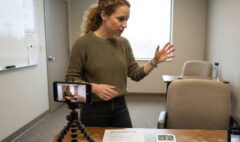
Without feedback you practice the same errors. Use a mix of immediate and delayed feedback: self-recordings, teacher comments, timed quizzes, or performance reviews. Schedule brief retention checks a few days after initial practice to see what stuck and what needs refresh. These checks prevent illusions of competence and highlight which elements need repetition.
- Immediate: recording, mirror, or instructor correction.
- Short-term: end-of-week quick tests.
- Long-term: spaced recall after days or weeks.
Feedback directs your next cycle, making each practice session more productive than the last.
Adjust pace and complexity regularly
Progress is rarely linear; small regressions are normal and informative. When you stall, reduce complexity or slow the tempo to rebuild mastery, then gradually increase challenge once stability returns. Alternate sessions that push limits with sessions that consolidate fundamentals so you keep improving without creating fragile skills. Track which adjustments work and repeat them when similar plateaus appear.
Flexible pacing helps you maintain confidence and keeps learning sustainable through inevitable ups and downs.
Conclusion
Designing how you practice — not just how much — changes the equation for skill growth. Use specific goals, short focused cycles, clear feedback, and adaptive pacing to multiply returns on your time. Small, consistent design choices make steady progress inevitable.