Designing Flexible Budgets for Ongoing Learning Costs
June 9, 2026 2026-05-25 14:55Designing Flexible Budgets for Ongoing Learning Costs
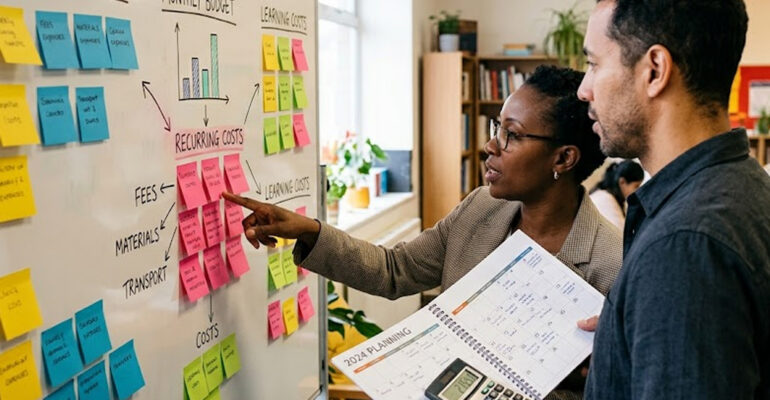
Designing Flexible Budgets for Ongoing Learning Costs
Introduction
Managing education-related spending is an ongoing challenge that benefits from deliberate planning and flexibility.
A clear budget helps learners and families make informed choices without sacrificing quality.
This article outlines practical steps to assess costs, prioritize needs, and find sensible savings.
Follow these ideas to build a sustainable approach to funding learning over time.
Understand True Costs
Start by listing all direct and indirect expenses associated with learning, including tuition, materials, travel, and technology. Consider recurring costs like subscriptions and upkeep as well as one-time fees for exams or equipment. Estimating an annual total gives a clearer picture than focusing only on headline prices. This comprehensive view prevents surprises and supports more accurate planning.
Break larger expenses into monthly equivalents to make them manageable and comparable. Use conservative estimates to allow a small contingency buffer. Regularly update your list when new items appear.
Set Priorities and Cut Waste
Decide which elements of education are essential and which are flexible or optional, then allocate resources accordingly. Prioritization should reflect long-term goals: skills that unlock opportunities deserve more investment than short-lived extras. Look for low-cost alternatives such as open educational resources, secondhand books, or shared equipment. Small reductions across multiple categories can yield meaningful savings without degrading learning quality.
Implement simple rules, like delaying nonessential purchases for 30 days or comparing three options before buying. These habits reduce impulse spending and improve decision quality.
Explore Funding Options
Investigate scholarships, employer-sponsored training, payment plans, and community grants that can offset costs. Public and private sources often support specific fields, skill levels, or demographics. Consider income-based or installment arrangements to smooth cash flow. Combining multiple modest funding sources can substantially lower out-of-pocket expenses.
Maintain organized documentation to simplify applications and renewals. Apply early and track deadlines to maximize success rates.
Monitor, Adjust, and Build Resilience
Set up a simple tracking system to monitor spending against your budget each month and identify trends or problem areas. Regular reviews allow you to reallocate funds as priorities shift and to celebrate progress toward savings goals. Build an emergency buffer equal to a few months of learning expenses to handle unexpected changes. Over time, small consistent adjustments will strengthen financial resilience and free up resources for new opportunities.
Use tools like spreadsheets or budgeting apps to automate tracking and reminders. Revisit your plan quarterly to stay aligned with evolving needs.
Conclusion
Flexible, realistic budgeting turns education costs into manageable investments by clarifying priorities and exploring options.
Small disciplined choices accumulate into sustainable funding strategies that support long-term learning goals.
With routine monitoring and occasional adjustments, education expenses become predictable and less stressful.