How to Prioritize and Fund Lifelong Learning Goals
July 18, 2026 2026-07-07 14:24How to Prioritize and Fund Lifelong Learning Goals
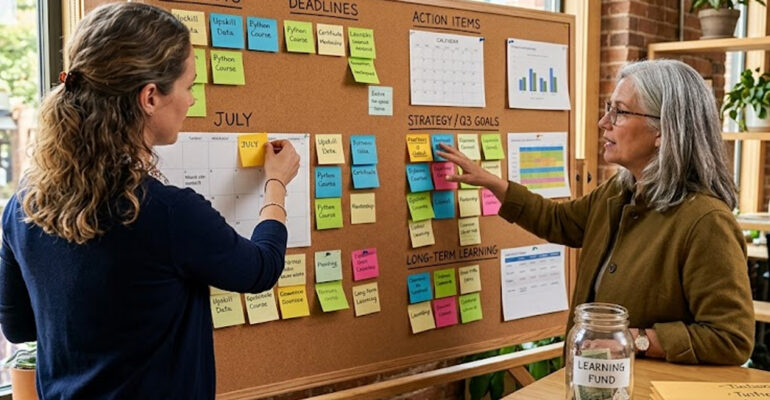
How to Prioritize and Fund Lifelong Learning Goals
Balancing the costs of education across a lifetime requires clear choices and ongoing planning.
Begin by defining which learning opportunities are essential, optional, or exploratory.
Estimate realistic timeframes for study and the typical expenses those options might incur.
This initial clarity makes saving and funding decisions far easier to implement and adjust.
Set clear learning priorities
Start by mapping personal and professional learning goals so you can rank investments by expected impact.
Consider whether shorter courses, certifications, or formal degrees better align with career timing and growth.
Be realistic about the skills that will matter most and the costs associated with attaining them.
This focus helps avoid spending on low-return options while protecting the most important pathways.
Regularly revisit priorities as goals, markets, and personal circumstances change.
Keeping a short list of high-priority targets makes budgeting more effective and less stressful.
Create a realistic saving and spending plan
Develop a multi-year budget that captures tuition, materials, travel, and lost income where applicable.
Break large costs into smaller annual or monthly targets so contributions feel achievable and measurable.
Factor in modest cost increases over time and build a buffer for schedule shifts or unforeseen fees.
Use simple tracking tools to record progress and avoid surprises when payments become due.
Automate contributions when possible and review allocations annually.
A disciplined plan keeps choices deliberate and prevents last-minute debt-driven decisions.
Use flexible funding and cost-reduction strategies
Explore scholarships, grants, employer tuition assistance, and community programs to reduce out-of-pocket costs.
Openly compare online and in-person options, hybrid models, and modular credentials that can lower fees and time commitments.
Negotiate payment plans and check whether employers or professional associations offer reimbursement or loan alternatives.
Combine multiple small savings measures to free up funds for higher-impact learning opportunities.
Prioritize low-cost, high-quality resources for foundational skills and reserve paid options for specialized training.
This layered approach stretches your education budget without compromising learning outcomes.
Plan for transitions and contingencies
Assume that career paths, family needs, or health will change and build flexibility into your funding strategy.
Maintain an emergency education reserve and consider phased study that allows pauses without losing progress.
Evaluate leave policies and potential income changes before committing to extensive programs.
Preparing for transitions reduces the risk of abandoning studies or incurring unsustainable debt.
Frequent reviews of your funding plan make adjustments easier and keep momentum toward goals.
A resilient approach protects both educational progress and financial stability.
Conclusion
Prioritizing goals, saving deliberately, and using flexible funding together create a sustainable education plan.
Regular review and willingness to adapt ensure the plan stays aligned with changing needs and opportunities.
With structure and foresight, investing in learning becomes manageable and more likely to deliver long-term value.