How to Prioritize Skills for Smart Career Progression
July 4, 2026 2026-06-24 9:21How to Prioritize Skills for Smart Career Progression
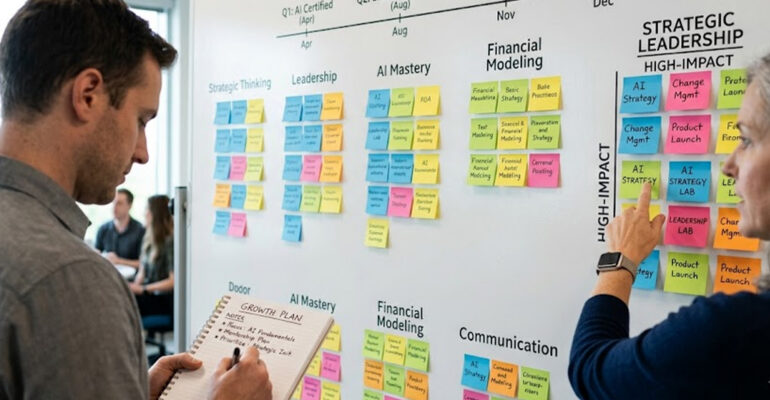
How to Prioritize Skills for Smart Career Progression
Introduction
Deciding which skills to develop can make the difference between stagnation and steady advancement. A focused approach helps you invest time where it counts and avoid busywork. This article outlines a practical method to evaluate, prioritize, and track skill development aligned with your goals. Use these steps to create a learning plan that delivers measurable career momentum.
Assess Your Current Role and Trajectory
Start by mapping the responsibilities and outcomes that matter most in your current role and the roles you aspire to. Identify recurring challenges colleagues or managers flag, as these often point to high-impact skill gaps. Consider short-term needs versus long-term trends in your field to balance immediate usefulness and future relevance. Speak with mentors or peers to validate your list and get perspective on which capabilities unlock advancement.
Prioritization begins with clarity about where you want to go and what your organization values. Ground your choices in evidence from performance reviews, job descriptions, and conversations. That insight reduces guesswork and focuses effort on practical improvements.
Prioritize High-Impact, Transferable Skills
Focus on skills that both increase your effectiveness today and transfer across roles or projects. Examples include clear communication, structured problem solving, project management, and data literacy. Technical skills matter, but pairing them with strong interpersonal or decision-making abilities multiplies value. Rank potential skills by frequency of use, potential career impact, and difficulty to acquire.
A simple scoring system — frequency, impact, and learning time — helps compare options objectively. This approach prevents chasing trendy topics that offer little return for your role.
Create a Focused Learning Plan
Turn priorities into a realistic plan with milestones, resources, and a weekly time budget. Choose one or two focal skills per quarter to avoid dilution and ensure depth. Blend learning formats: short courses for structure, books or articles for context, and hands-on projects for mastery. Accountability is key; schedule practice sessions and share goals with a mentor or peer.
- Set a clear outcome for each skill (e.g., lead a small project, present findings to stakeholders).
- Allocate consistent weekly practice time and review progress monthly.
- Use small, measurable milestones to maintain momentum and adjust as needed.
Document progress and iterate on the plan quarterly to stay aligned with changing priorities. Flexibility keeps your learning relevant and sustainable.
Measure Progress and Adjust
Define metrics that reflect real improvement, such as reduced project turnaround, stronger feedback scores, or completed deliverables. Regularly collect qualitative feedback and quantitative indicators to evaluate growth. If a skill isn’t delivering expected returns, reassess its priority or change your learning method. Continuous measurement prevents wasted effort and highlights emerging opportunities.
Celebrate small wins to sustain motivation and use lessons learned to refine your next set of priorities. Over time, this cycle builds a portfolio of capabilities that drive meaningful career advancement.
Conclusion
Prioritizing skills is a strategic exercise that combines self-awareness, evidence, and disciplined planning.
Focus on high-impact, transferable abilities and commit to measurable practice.
Iterate your plan regularly to keep learning aligned with evolving career goals.