Plan Your Practice: A Clear System for Skill Growth
September 24, 2026 2026-09-15 14:16Plan Your Practice: A Clear System for Skill Growth
Plan Your Practice: A Clear System for Skill Growth
Learning a new skill stalls when practice is vague and schedules slip. A simple planning system turns loose intentions into measurable progress and keeps momentum moving forward. This piece lays out practical steps—goal setting, focused practice blocks, and feedback loops—to redesign your sessions. You can apply these ideas to anything from coding to public speaking without overhauling your life. A few well-arranged sessions each week compound into noticeable skill change.
Define concrete targets and checkpoints
Start by defining concrete targets that are both specific and time-bound. Instead of aiming to ‘get better,’ pick a clear milestone like ‘deliver a five-minute talk without notes’ or ‘complete ten algorithm problems in two weeks.’ Break those milestones into checkpoints that you can measure weekly, and attach an observable criterion to each checkpoint. Clear targets reduce decision fatigue and make it obvious what to practice next.
Record checkpoints in the same place you plan sessions so nothing gets lost. Reviewing them weekly keeps your trajectory honest.
Design short, focused practice blocks
Short, focused practice blocks beat marathon sessions for skill retention and consistency. Structure blocks around one micro-skill—scales in music, a coding pattern, or a specific phrasing exercise—and practice with full attention for 25 to 50 minutes. Begin each block with a 3–5 minute warm-up tied to the day’s goal, then work deliberately on the chosen micro-skill. Over time, compound blocks that target adjacent micro-skills to build complexity.
- Sample block: 30 minutes—10 minutes warm-up, 15 minutes focused drills, 5 minutes reflection.
- Rotate micro-skills across the week to avoid plateaus.
- Use a timer and resist multitasking during blocks.
Short blocks make it easier to schedule sessions around life and reduce burnout. They also increase the number of high-quality reps you can do weekly.
Use feedback loops and flexible adjustments
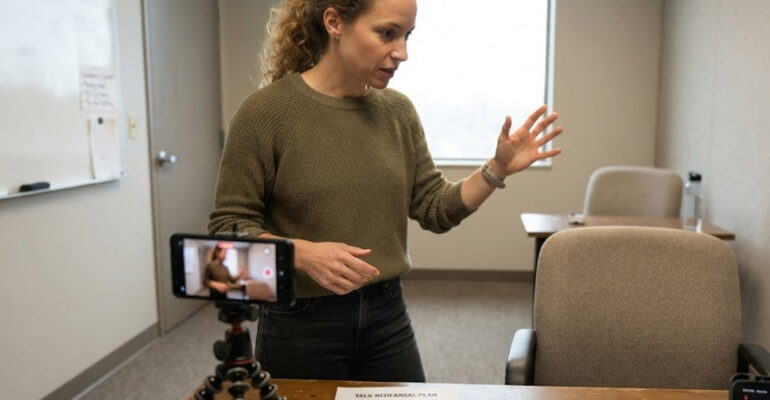
Feedback turns repetition into improvement; without it, practice can reinforce mistakes. Use three feedback channels: self-reflection notes, peer or coach reviews, and objective measures like recordings or timed tests. Set a rhythm for feedback—after every five sessions or once a week—and be specific about what you want to learn from it. Treat adjustments as experiments: change one variable at a time and observe the result.
For sustainable progress, keep adapting your plan based on evidence rather than feeling. Regular, small tweaks outperform occasional, radical overhauls.
Conclusion
Good planning makes practice predictable and progress visible. Pick one target, schedule short blocks, and build feedback into your routine. That steady loop is the practical difference between wishing and mastering.