Practical Habits to Accelerate Lifelong Learning Progress
January 22, 2026 2026-01-22 13:50Practical Habits to Accelerate Lifelong Learning Progress
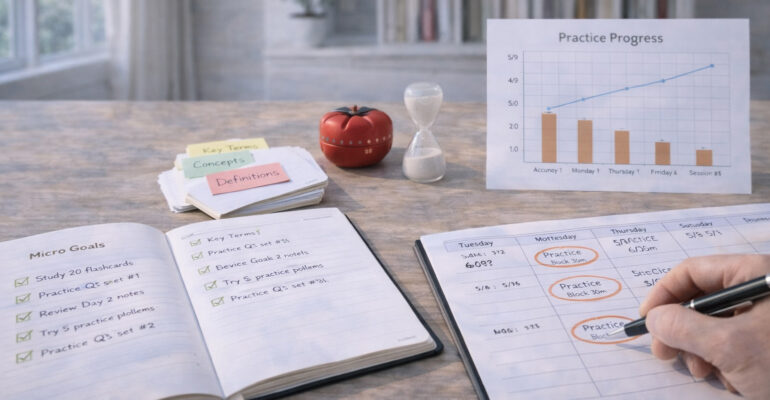
Practical Habits to Accelerate Lifelong Learning Progress
The best learning systems begin with small, consistent habits that compound over time.
Whether you want to acquire a new skill or deepen existing expertise, routines matter more than occasional sprints.
This article outlines research-informed practices that fit into busy schedules and support steady improvement.
Each suggestion emphasizes sustainability, measurable progress, and actionable feedback to keep momentum.
Set Clear Learning Micro-goals
Large ambitions become achievable when broken into micro-goals that map to focused practice sessions. Define outcomes you can complete in 20–60 minutes, and treat them as experiments rather than final judgments. Use concrete criteria to know when a micro-goal is done, such as completing a practice problem set or recording a five-minute explanation. This clarity reduces decision fatigue and increases the likelihood of consistent effort.
- Example: Finish two focused problems or write a short summary after each study session.
- Example: Schedule three 30-minute blocks per week for deliberate practice.
- Example: Track one measurable skill metric each week.
Micro-goals let you measure progress without overwhelming your schedule. They also give frequent opportunities to celebrate small wins and adjust the next steps.
Use Active Review and Spaced Practice
Passive reading yields short-term familiarity but limited retention; active review strengthens memory and application. Prioritize retrieval practice—testing yourself without notes—and spaced repetition to revisit concepts at increasing intervals. Mix problem types and contexts to build flexible knowledge rather than brittle memorization. Over time, this approach reduces the total study time needed while improving long-term mastery.
Incorporate short quizzes, flashcards, or brief summaries into weekly routines to maintain retrieval practice. Use scheduled reviews to convert fragile knowledge into durable skills.
Design a Feedback and Reflection Loop
Feedback is essential for correcting errors and guiding adjustments in technique or understanding. Seek timely input from peers, mentors, or objective measures like scored assignments and timed tasks. Combine external feedback with structured self-reflection to identify patterns, misconceptions, and opportunities for targeted practice. Reflection turns experience into learning by clarifying what worked and what requires a different strategy.
- Weekly questions: What progress did I make? What blocked me? What will I change next week?
- Use metrics: track accuracy, speed, or project milestones over time.
- Schedule short retrospectives after each project or learning sprint.
A reliable feedback loop accelerates improvement and prevents wasted effort. Regular reflection keeps learning aligned with your goals and adapts habits to changing needs.
Conclusion
Start with small, specific actions and measure progress consistently.
Adjust based on timely feedback and prioritize active, spaced practice.
Over weeks and months, these habits compound into meaningful learning gains.