Practical Techniques to Build Student Self-Directed Learning
March 7, 2026 2026-03-02 15:21Practical Techniques to Build Student Self-Directed Learning
Practical Techniques to Build Student Self-Directed Learning
Helping students become self-directed learners is a practical goal for modern educators and instructional designers.
It involves teaching skills like goal-setting, time management, metacognitive strategies, and purposeful reflection.
This article outlines concrete classroom techniques and routines that foster autonomy within everyday lessons and projects.
These approaches support intrinsic motivation, deepen conceptual understanding, and prepare learners to navigate complex challenges.
Why Self-Directed Learning Matters
Self-directed learning builds transferable skills and intrinsic motivation in students across subject areas and grade levels. When learners take ownership of their processes, they engage more deeply, persist through difficulty, and retain concepts longer than with purely teacher-directed approaches. Teachers who cultivate autonomy often observe greater adaptability, creative problem-solving, and readiness for independent study.
Recognizing these benefits helps prioritize autonomy-building practices within curriculum planning and daily instruction. It also shifts classroom culture from compliance-focused tasks toward cultivating capability and long-term learner agency.
Core Practices to Encourage Autonomy
Start by teaching explicit strategies such as goal-setting, breaking tasks into manageable steps, prioritization, and monitoring progress with simple tools. Model these skills publicly and provide scaffolded practice so learners internalize routines before you gradually withdraw support. Encourage student choice in topics, formats, or collaboration partners to increase ownership and relevance. Small, consistent habits combined with targeted feedback make autonomy both achievable and measurable.
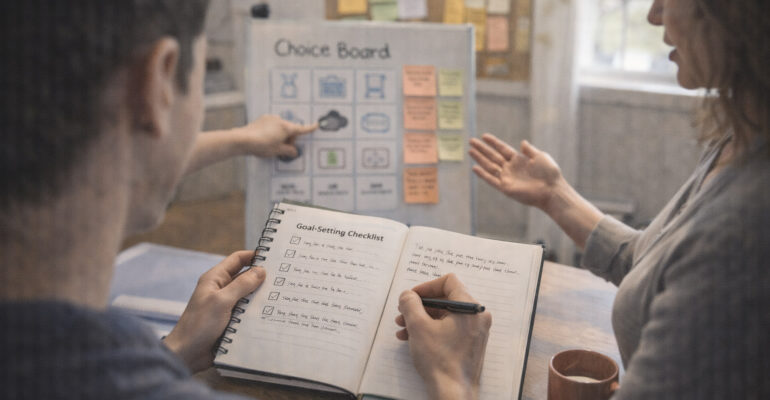
- Goal-setting templates with checkpoints and success criteria
- Choice boards offering varied modes of expression and assessment
- Peer coaching prompts to structure collaborative problem-solving
Use rubrics, checklists, and brief conferencing to make expectations and progress visible. Over time reduce supports and encourage students to set their own milestones as competence grows.
Designing Supportive Learning Environments
Create classroom routines that balance clear structure with built-in flexibility so students can take risks and experiment safely. Offer resources like choice menus, planning templates, time-management trackers, and exemplar work to guide independent efforts. Foster a culture where questioning, productive struggle, mistakes, and revision are welcomed as part of learning. Design collaborative opportunities and regular peer feedback cycles that reinforce metacognitive habits and social accountability.
Environment design signals instructional priorities and helps students practice organizational skills alongside content mastery. Thoughtful routines reduce anxiety, free cognitive energy for higher-order tasks, and support sustained engagement.
Assessment and Reflection
Shift assessment toward formative practices that highlight growth, strategy use, and actionable next steps rather than only summative scores. Implement regular reflection prompts, learning journals, brief student-led conferences, and targeted rubrics to help learners evaluate what worked and what to change. Self-assessment paired with teacher feedback empowers students to adjust methods, set realistic goals, and plan deliberate practice.
Schedule reflection after key tasks and at predictable intervals so insights inform future learning cycles. Over time this reflection becomes an integrated habit that translates effort into measurable progress.
Conclusion
Building self-directed learners requires deliberate strategy, explicit skill instruction, and consistent practice across units.
Begin with small routines, model effective habits, and progressively release responsibility as students demonstrate readiness.
With supportive structures, meaningful choice, and regular reflection, autonomy becomes a sustainable and measurable part of classroom learning.