Align Daily Learning with Career Goals for Growth
February 10, 2026 2026-02-05 10:14Align Daily Learning with Career Goals for Growth
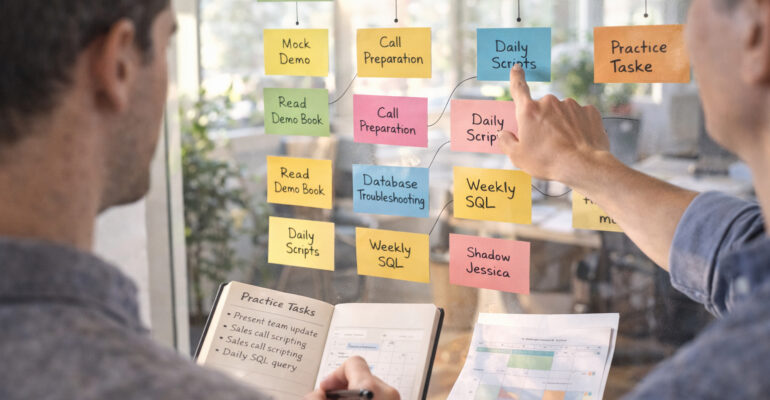
Align Daily Learning with Career Goals for Growth
Building momentum in your career starts with deliberate, daily learning that connects to real work goals. Small, consistent choices compound over time into measurable skills and opportunities. This article outlines practical approaches to audit your learning habits, align activities with career tasks, and maintain steady progress. Follow these steps to turn routine study into visible career advancement. Practical alignment reduces wasted effort and increases visibility of your progress.
Assess Your Daily Learning Habits
Begin by tracking how you currently spend focused learning time each week and identify where improvements are possible. Note which topics produce immediate value for your role and which are exploratory or long-term investments. Be honest about distractions and the quality of your practice, not just the hours logged. A brief weekly review reveals patterns and guides intention for the coming week. Consider categorizing learning tasks by urgency and potential impact to simplify decisions.
- Track time spent and topics covered each day.
- Rate each session by relevance and application.
- Flag distractions and recurring gaps to address.
Structured reflection transforms vague effort into a targeted plan. Use simple metrics—time, relevance, and application—to prioritize what to keep or drop. Document small wins so you can review tangible progress during performance conversations.
Map Skills to Career Tasks
Translate role responsibilities into specific skills and outcomes you can practice. For each task, ask what knowledge, tools, or behaviors would make you faster, more accurate, or more strategic. Prioritize transferable skills that show immediate impact across projects, such as communication, analysis, or tool proficiency. This mapping makes learning choices tactical rather than arbitrary. Include milestones you can demonstrate in monthly or quarterly updates.
- Create a short list of priority skills tied to current projects.
- Identify one demonstrable outcome per skill for measurement.
When you can point to a task improved by a skill, growth becomes demonstrable. Frame your progress as contributions so managers and peers notice the change. These examples make it easier to request stretch assignments or recognition.
Create a Consistent Micro-Learning Routine
Design short, repeatable learning blocks that fit existing habits—15 to 30 minutes several times a week is often sustainable. Combine active practice, brief reviews, and application-focused projects to reinforce retention and transfer. Leverage simple accountability like a calendar block or a peer check-in to keep momentum. Over time these micro-sessions stack into deeper competence without disrupting work. Rotate focus areas periodically to avoid stagnation and to broaden capability.
- Block short sessions on your calendar.
- Mix practice with small applied tasks.
- Review and adjust every week.
Consistency beats intensity for long-term development. Adjust the routine when necessary but protect the core habit. Celebrate incremental improvements to sustain motivation and continue momentum.
Conclusion
Aligning daily learning with concrete career tasks makes development measurable, efficient, and sustainable. Start small, track relevance, and build habits that connect learning to contribution. With consistent application, your skills will drive visible career progress.