Structuring Online Learning for Consistent Skill Development
February 9, 2026 2026-02-03 14:40Structuring Online Learning for Consistent Skill Development
Structuring Online Learning for Consistent Skill Development
Effective online learning hinges on clear structure and intentional practice rather than sheer content volume. When learning pathways are organized around skill progression, learners experience steady improvement and reduced overwhelm. Well-designed courses combine focused objectives, manageable modules, and timely feedback to maintain momentum. This introduction outlines practical design choices that support consistent skill development across diverse learners.
These principles are applicable to corporate training, continuing education, and self-directed learning. They emphasize transferable strategies that instructors and instructional designers can adapt.
Design modular experiences around core competencies
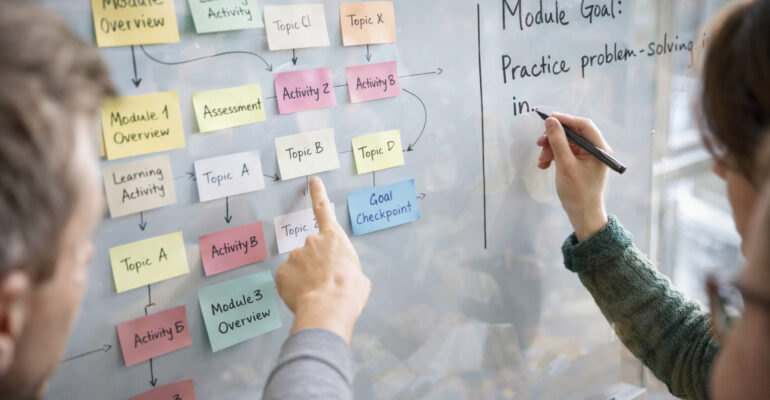
Break larger topics into modules that each target a single competency or subskill. Modules should include a clear performance goal, a short instructional segment, and an application activity that requires learners to demonstrate the target skill. Keeping units small helps learners complete meaningful work in short sessions and reduces cognitive overload. Modular sequencing also enables easier personalization and reuse across courses.
Design each module to be standalone yet connected to a cumulative learning map. That approach makes progression transparent and supports mastery-based pacing for different learners.
Promote deliberate practice with varied activities
Deliberate practice requires focused effort, immediate feedback, and repetition with increasing difficulty. Incorporate a mix of activities: low-stakes quizzes for recall, scenario-based tasks for application, and project work for synthesis. Rotating formats keeps learners engaged and exposes them to realistic contexts where skills matter. Ensure practice tasks align closely with competency statements and assessment criteria.
Provide templates or exemplar work to set expectations, then scaffold complexity so learners can build confidence before tackling advanced tasks.
Use frequent, actionable feedback and reflection
Timely feedback accelerates learning by correcting errors early and reinforcing effective strategies. Use automated checks for basic skills and targeted instructor feedback for higher-order tasks. Encourage peer review with clear rubrics to increase interaction and diverse perspectives. Include short reflection prompts to help learners internalize lessons and plan next steps.
Feedback loops should be consistent and tied to observable behaviors, not vague impressions. Consistent feedback fosters a growth mindset and steady improvement.
Measure progress and adapt learning paths
Track mastery through formative assessments and competency checkpoints rather than relying solely on completion metrics. Use assessment data to create branching paths or recommended modules for learners who need remediation or enrichment. Regularly review analytics to identify common challenges and adjust content or support resources. Adaptive pathways help learners stay challenged without becoming discouraged.
Transparent progress indicators motivate learners and clarify expectations, improving completion and transfer of skills.
Conclusion
Designing structured, practice-focused online courses builds reliable skill development. Clear modules, deliberate practice, and timely feedback create a sustainable path for learners. Adapting instruction based on progress ensures continued growth.