An Iranian Interpretation of the Islamabad Negotiations
April 16, 2026 2026-04-16 10:28An Iranian Interpretation of the Islamabad Negotiations
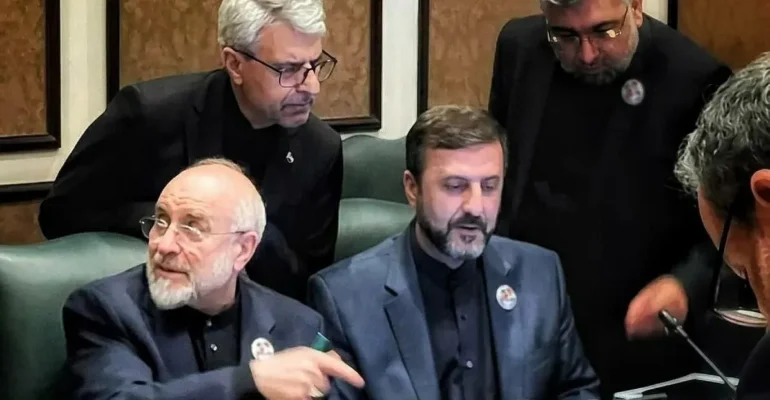
An Iranian Interpretation of the Islamabad Negotiations
The 21-hour negotiations in Islamabad, mediated by Pakistan and attended by high-ranking officials from Tehran and Washington, have reached a deadlock. Delegations left Pakistan without achieving any agreement. This failure, the third such instance in the past year, signals a deep-rooted tension between the two nations that even war has failed to mitigate. The mistrust between the two countries clearly exceeds current mediation capacities.
The day after these talks collapsed, U.S. President Donald Trump announced a naval blockade of the Strait of Hormuz. This move effectively severs Iran’s vital lifelines, imposing an estimated daily loss of $435 million on the national economy. Despite this pressure, neither side appears ready to surrender: not Washington, which has resorted to a naval blockade, nor Tehran, which responds with the language of “trump cards” and regional threats.
Parallel to diplomacy and military confrontation, a third battle is underway: the battle of narratives. Since the start of the war, the Islamic Republic has centralized narrative control through its own state-affiliated channels. Even at the Islamabad summit, a dedicated media team was dispatched alongside the negotiators to project an image of “authority.”