Stretching Education Budgets Without Compromising Quality
June 21, 2026 2026-06-15 7:33Stretching Education Budgets Without Compromising Quality
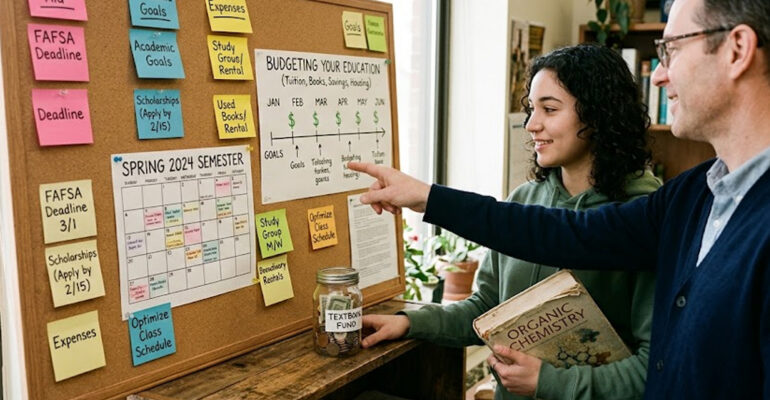
Stretching Education Budgets Without Compromising Quality
Balancing educational goals with limited funds is a common challenge for learners and families.
Smart, proactive planning can reduce stress and keep outcomes strong without sacrificing essential resources.
This article outlines practical steps to understand real costs, prioritize spending, and access supplementary funding.
You will find strategies that are flexible across programs and stages of learning.
Assessing True Education Costs
Start by listing direct expenses such as tuition, fees, textbooks, and supplies alongside indirect costs like transportation and time commitments. Include one-time start-up costs and recurring monthly or semester expenses to create a realistic budget baseline. Compare program formats and schedules, since online, part-time, and intensive options often shift cost profiles and living expenses. A detailed cost picture helps identify where modest changes can free up meaningful funds.
Regularly update this cost review as plans change or new offers appear. This keeps decisions grounded in current reality.
Prioritizing Spending and Finding Savings
Categorize spending by impact: required, highly beneficial, and optional. Invest first in elements that directly support learning outcomes, such as quality instruction and essential materials. Seek savings by choosing used textbooks, shared resources, and digital subscriptions that reduce recurring costs. Negotiating payment plans or exploring institutional discounts can also ease short-term cash flow.
Small, consistent savings add up over a year. Prioritization prevents cutting options that would harm progress.
Funding Options and Long-Term Planning
Explore scholarships, grants, employer tuition assistance, and vetted crowdfunding for targeted needs. Low-interest loans and income-driven repayment plans may be appropriate when expected returns justify borrowing. Consider part-time work, apprenticeships, or cooperative programs that blend earning with learning. Create a multi-year plan that aligns funding choices with career goals and anticipated income growth.
Regularly revisiting the plan helps adjust to changes in income or program duration. Building an emergency buffer reduces the need for high-cost borrowing.
Practical Tools and Tracking Habits
Adopt simple budgeting tools like spreadsheets, apps, or institution-provided planners to monitor cash flow and deadlines. Track scholarship applications, tax deductions, and reimbursement deadlines to avoid missed opportunities. Set monthly check-ins to reconcile actual spending against the plan and adjust categories as needed. Use price-comparison sites for supplies and consider library or open educational resources before purchasing. Involving mentors, advisors, or a trusted financial partner can provide accountability and new ideas.
Consistent tracking turns an abstract budget into an actionable roadmap. Small reviews reduce surprises and improve decision-making.
Conclusion
Effective education budgeting combines clarity, realistic priorities, and flexible funding.
With deliberate choices, learners can protect quality while reducing financial strain.
Begin with a detailed cost assessment and update the plan as circumstances evolve.