Practical Approaches to Structured Learning Rhythms
July 8, 2026 2026-07-03 13:58Practical Approaches to Structured Learning Rhythms
Practical Approaches to Structured Learning Rhythms
Introduction
Establishing a dependable learning rhythm helps learners turn intention into progress without burning out. Small, repeatable practices combined with clear cadence reduce friction and build competence over time. This article outlines pragmatic steps to create routines that fit busy schedules and evolving goals. You will find actionable guidance for planning sessions, measuring progress, and adapting as you grow.
Set a Clear Weekly Cadence
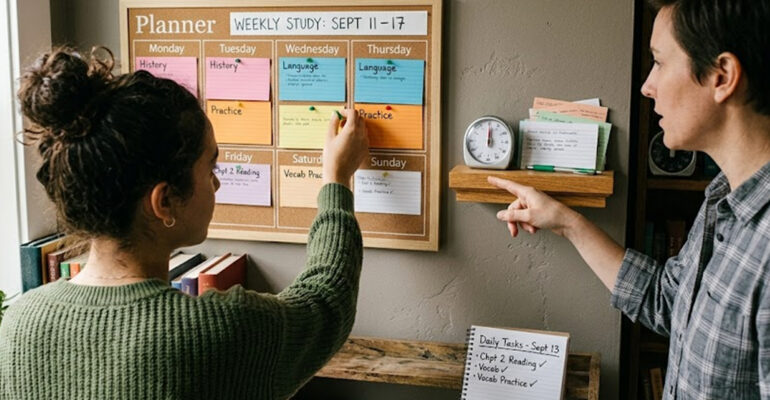
Choose a weekly framework that balances consistency with flexibility so learning becomes part of your normal schedule. Define specific blocks—morning review, midweek practice, weekend synthesis—that match your energy and responsibilities. Assign themes to certain days to reduce decision fatigue and make sessions more focused. Small rituals, like a five-minute setup or a quick review note, make it easier to start each block.
- Pick two to four repeating time slots per week.
- Keep each session under one hour when possible.
- Use a simple calendar label to signal the activity.
By standardizing when you engage, not just what you study, you create momentum. The cadence is more effective if it’s realistic and sustainable for your life.
Design Bite-Sized Practice Sessions
Break larger goals into focused, achievable tasks that fit into short time windows. Micro-sessions encourage consistency and make those sessions easier to recover after interruptions. Prioritize active techniques—self-testing, teach-back, and problem-solving—over passive review to accelerate retention. Vary formats occasionally to maintain interest while preserving the core habit.
- 10–25 minute drills for core skills.
- Weekly synthesis session to connect concepts.
- Quick flashcard reviews for spaced repetition.
Small, targeted practices accumulate into meaningful progress and reduce the friction of getting started each time. These mini-habits also make it easier to measure what’s working.
Track Progress with Lightweight Metrics
Use simple indicators to monitor habit delivery and skill gains without adding admin overhead. Track session count, minutes practiced, completed tasks, and one performance example per week. A short weekly reflection note captures qualitative changes and informs adjustments. Keep measurement frictionless so data supports the habit rather than interrupts it.
- Session count for consistency.
- One sample task to show improvement.
- Weekly reflection to highlight obstacles.
Review metrics monthly to spot trends and recalibrate the cadence or content. Small course corrections sustain momentum and help you scale practice responsibly.
Conclusion
Structured rhythms make learning manageable and dependable by turning intention into routine. Prioritize short, active sessions and use lightweight tracking to guide adjustments. Over time these practices compound into reliable skill growth.