Build a Sustainable Rhythm for Learning New Skills
October 27, 2026 2026-10-21 11:25Build a Sustainable Rhythm for Learning New Skills
Build a Sustainable Rhythm for Learning New Skills
Learning a new skill doesn’t need to feel like a sprint. Small, regular practice beats occasional marathon sessions because repetition and recovery shape real progress. This piece outlines a compact, adaptable approach to organizing practice so you make steady gains without burning out. You’ll get straightforward tactics to schedule sessions, measure improvement, and stay consistent.
The goal is not perfection on day one but a reliable routine you can keep. Start small, then scale what works.
Break skills into clear micro-tasks
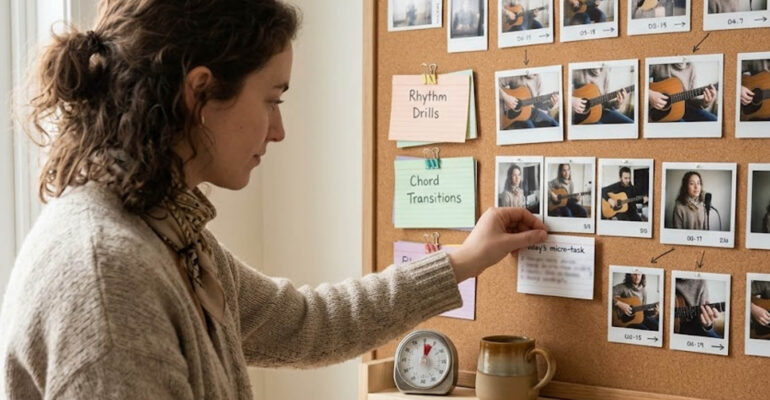
A large skill often hides many smaller abilities that can be practiced independently. Identify two or three specific sub-skills you can isolate — for example, rhythm, vocabulary, and finger placement — and design miniature drills for each. Focusing on one micro-task per session reduces cognitive load and makes progress easier to spot. Over time, recombine those pieces into longer, integrated practice blocks.
Keeping targets concrete helps you avoid vague practice like “get better.” Name the task, set a simple goal, and repeat.
Schedule short, frequent deliberate sessions
Lengthy practice is tempting, but short sessions done often produce better retention. Aim for focused blocks of 15–30 minutes most days, with one longer session weekly to synthesize learning. Use a stopwatch and eliminate distractions so each minute counts toward a clear objective. Variety across sessions—technical drills one day, applied work the next—keeps engagement high.
Consistency builds momentum, and short bursts make it practical to maintain that rhythm long term.
Track simple metrics and seek timely feedback
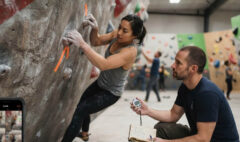
Measurement doesn’t require complex tools; basic metrics tell you whether practice is working. Track repetitions, error rates, or completion of specific drills, and review trends weekly. Pair that self-tracking with occasional external feedback from a teacher, peer, or recording so blind spots surface. Feedback shortens the loop between mistake and correction, accelerating improvement.
When metrics stall, adjust the task or reduce difficulty so progress resumes. Small tweaks matter more than rigid plans.
Protect recovery and motivation
Progress depends on both effort and recovery, so schedule rest days and lighter sessions to prevent fatigue. Build quick rituals—preparing materials, a consistent start time, a short warm-up—that cue your brain to work. Celebrate small wins and log them visually so accumulated gains are visible even on slow days. Habit formation is easier when the friction to start is low.
Keep expectations realistic and treat setbacks as data, not failure. Persistence with sensible pacing wins over bursts of intensity.
Conclusion
Small, frequent, well-targeted practice compounds into lasting skill. Track simple signs of improvement and adjust routines as needed. Stick to a sustainable rhythm and let consistency do the heavy lifting.