Building a Long-Term Budget for Education Expenses
May 16, 2026 2026-05-08 14:39Building a Long-Term Budget for Education Expenses
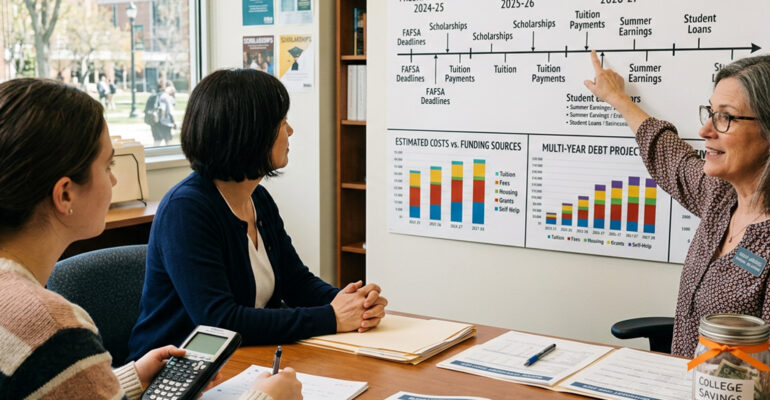
Building a Long-Term Budget for Education Expenses
Introduction
Planning for education expenses requires clarity about goals and timelines. A realistic budget helps families and learners anticipate costs and avoid last-minute borrowing. This overview explains practical steps to estimate, reduce, and fund education over time. It focuses on sustainable habits and flexible options that align with changing needs.
Assessing True Education Costs
Begin by listing both direct and indirect expenses to form a comprehensive view. Direct costs include tuition, course fees, and materials, while indirect costs cover transportation, housing, and opportunity costs associated with time spent studying. Estimate costs annually and project them over the expected duration of study, adjusting for inflation and potential changes in study plans. Use conservative estimates to avoid underfunding and revisit projections at regular intervals.
Prioritize items based on necessity and impact on learning outcomes. Differentiate between essential expenses and discretionary ones that can be reduced or postponed. This helps focus limited resources where they matter most and guides future budgeting decisions.
Practical Cost-Reduction Strategies
Small, consistent adjustments can produce meaningful savings without compromising education quality. Consider secondhand materials, shared resources, digital alternatives, and flexible scheduling to reduce costs. Negotiating payment plans, applying for institutional waivers, and choosing courses with transferable credits can also lower overall expenses. Balance cost-cutting with the need to maintain academic standards and access to support services.
- Buy used textbooks or rent materials where possible.
- Leverage free or low-cost online resources for supplementary learning.
- Explore part-time study or employer-supported programs.
Implementing multiple small strategies often yields better results than relying on a single major change. Track the impact of each approach to refine what works for your situation.
Funding and Savings Options
Evaluate a mix of short- and long-term funding sources to spread risk and maintain flexibility. Options include dedicated savings accounts, education savings plans, scholarships, grants, and targeted loans that match your timeline and repayment capacity. Consider automatic transfers to savings and periodic reviews to ensure contributions remain aligned with rising costs. Avoid high-interest borrowing when possible and prioritize funds that do not require repayment.
Combining savings with non-repayable aid and reasonable borrowing creates a balanced funding structure. Regularly reassess eligibility for grants and scholarships as circumstances change.
Conclusion
Creating a long-term education budget is a dynamic, ongoing process.
Start with realistic cost estimates and use practical strategies to reduce expenses.
Combine savings, aid, and smart borrowing to keep education affordable over time.