Building a Sustainable Personal Learning Strategy for Growth
January 17, 2026 2026-01-16 10:44Building a Sustainable Personal Learning Strategy for Growth
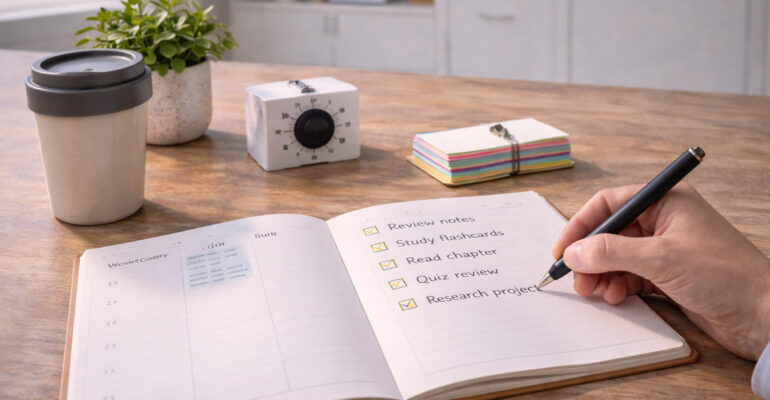
Building a Sustainable Personal Learning Strategy for Growth
Learning effectively over a lifetime requires structure, intention, and adaptable habits. Many learners start with enthusiasm but lose momentum when goals are vague or methods are inconsistent. This article outlines practical steps to design a personal learning strategy that fits a busy life and evolving ambitions. Read on for clear techniques to plan, practice, and measure progress without burnout.
These ideas are suitable for learners at any stage and across disciplines. They emphasize small, repeatable actions that compound into meaningful skill development. By combining clarity of purpose with regular reflection, you can keep learning purposeful and sustainable.
Why continuous learning matters
Ongoing learning preserves relevance and opens opportunities, whether advancing in a career or exploring a new interest. It also sharpens critical thinking and adaptability in unfamiliar situations. Framing learning as an iterative process reduces pressure and invites experimentation rather than perfection. When learning is habitual, progress becomes a reliable part of daily life instead of an occasional sprint.
Understanding the broader value of learning helps maintain motivation during plateaus. It reframes setbacks as data points to adjust strategies instead of failures to avoid.
Crafting your personal learning plan
Begin by defining a few specific, achievable outcomes you want within three to six months. Break each outcome into concrete milestones and small tasks that can be completed weekly. Choose a mix of resources: short courses, focused readings, practice projects, and feedback opportunities. Scheduling consistent, short practice sessions is more effective than infrequent, long study marathons.
Revisit your plan monthly to realign priorities based on what worked and what felt engaging. Make modest adjustments rather than overhauling the whole plan to preserve momentum.
Practical habits to sustain growth
Habits are the engine of steady progress; prioritize routines that reduce friction and support focus. Build systems around small wins, such as a five-minute warm-up, a single focused task, and a brief review at the end of each session. These micro-routines lower the activation energy to start learning and help you accumulate hours consistently.
- Set a fixed time and environment for practice to cue concentration.
- Use spaced repetition and active recall for knowledge retention.
- Include project-based work to apply concepts and create artifacts.
Combine these habits with periodic breaks to avoid burnout and maintain creativity. Iteration on routines keeps them aligned with changing life demands.
Measuring progress and staying motivated
Quantify progress with clear indicators such as completed projects, performance metrics, or feedback from peers and mentors. Regular reviews help you celebrate progress and identify skill gaps. When motivation wanes, reconnect with the original purpose and try a short, novel challenge to reignite interest. External accountability, such as study partners or public milestones, can also sustain momentum.
Keep records of wins and lessons learned to build a reinforcing cycle of improvement. Small, frequent confirmations of progress are more motivating than distant, uncertain rewards.
Conclusion
Design a flexible plan, commit to small consistent habits, and measure what matters to sustain learning momentum. Regular reflection and minor adjustments keep the strategy aligned with your goals and life. With these practices, learning becomes a manageable, rewarding part of everyday life.