Creating a Focused Learning Plan for Skill Development
May 12, 2026 2026-05-08 14:15Creating a Focused Learning Plan for Skill Development
Creating a Focused Learning Plan for Skill Development
Introduction
Developing new skills effectively starts with a clear, focused plan that aligns effort with measurable progress. A reliable learning plan reduces wasted time and helps sustain motivation through tangible milestones. This article outlines practical steps to assess needs, set goals, and design routines that support steady improvement. Follow these guidelines to make learning purposeful and adaptable to changing priorities.
Successful learning blends assessment, structure, and consistent practice into routines that fit daily life. The suggestions here are versatile and can be adapted for technical, creative, or professional skills. They emphasize small wins and reflection to maintain momentum. Use them as a foundation and refine based on results.
Assessing Your Learning Needs
Begin by clarifying what you want to achieve and why it matters, then map the gap between current ability and target competence. Break the skill into sub-skills and identify which areas offer the greatest leverage for improvement. Collect simple baseline data: time spent, tasks you can complete, and common errors to track progress. This diagnostic stage guides efficient allocation of study time and prevents unfocused effort.
Accurate assessment informs realistic goal-setting and highlights resources you may need. Regularly revisit your initial evaluation to adjust priorities as you learn. A data-driven start reduces guesswork and keeps momentum aligned with meaningful outcomes.
Setting Practical Goals and Milestones
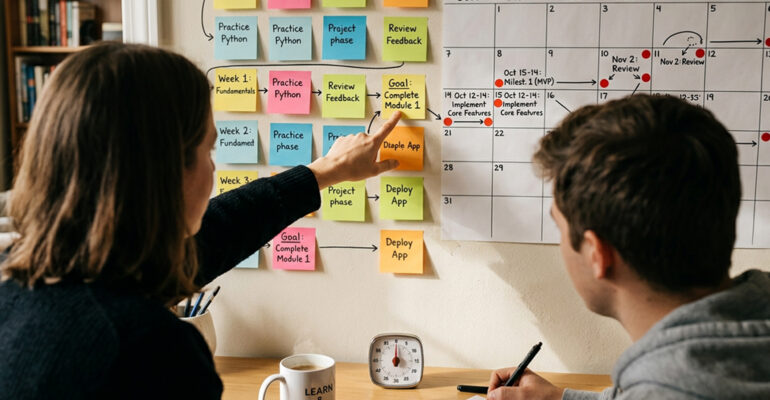
Translate the assessment into specific, time-bound goals that balance ambition with achievability. Use milestones to divide long-term objectives into weekly or monthly targets so progress is visible and motivating. Prioritize goals that produce transferable results, such as projects or performances that demonstrate real ability. Clear milestones make it easier to celebrate progress and recalibrate when expectations are off.
- Define a primary outcome and two supporting sub-goals.
- Set measurable indicators for each milestone.
- Schedule brief reviews to adjust timelines.
Milestones help maintain accountability and clarify what success looks like at each stage. They also enable incremental learning that compounds over time.
Designing an Efficient Practice Routine
Create a routine that mixes focused practice, review, and varied tasks to build depth and flexibility. Limit sessions to manageable durations with clear objectives to avoid burnout and improve retention. Incorporate spaced repetition, deliberate practice, and regular feedback through self-assessment or mentors. Balance consistency with occasional challenges that stretch current capabilities.
Practical routines fit existing commitments and evolve as skills improve. Small, consistent investments typically outperform sporadic, intensive efforts in long-term mastery.
Conclusion
Crafting a focused learning plan turns intention into measurable progress and sustains motivation during setbacks. Regular assessment, clear milestones, and efficient practice routines form the core of lasting skill development. Apply these elements consistently and adapt them as you grow to maximize learning outcomes.